What is The Difference in Concrete or Resin Driveways?
In terms of driveway surfaces, what is the superior choice? Resin or concrete?
For those in the Andover area looking to upgrade their driveway, resin bound and concrete are two popular choices. Lifespan is an obvious factor in both scenarios, but how else might one influence the choice? Read on for a rundown of the main points, advantages, and disadvantages of each material—that way you can pick the one that's best for your home.
Optimal Presentation
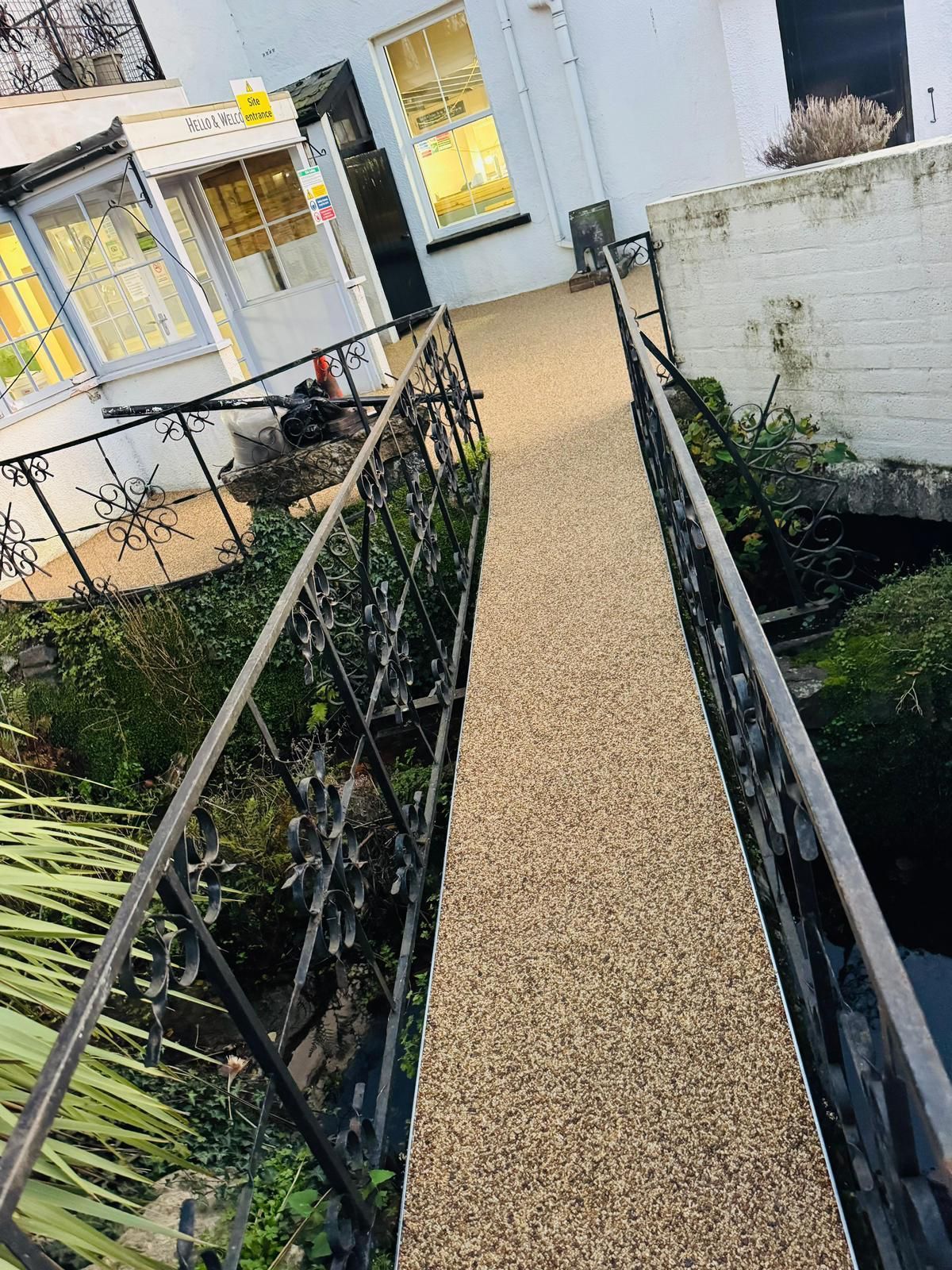
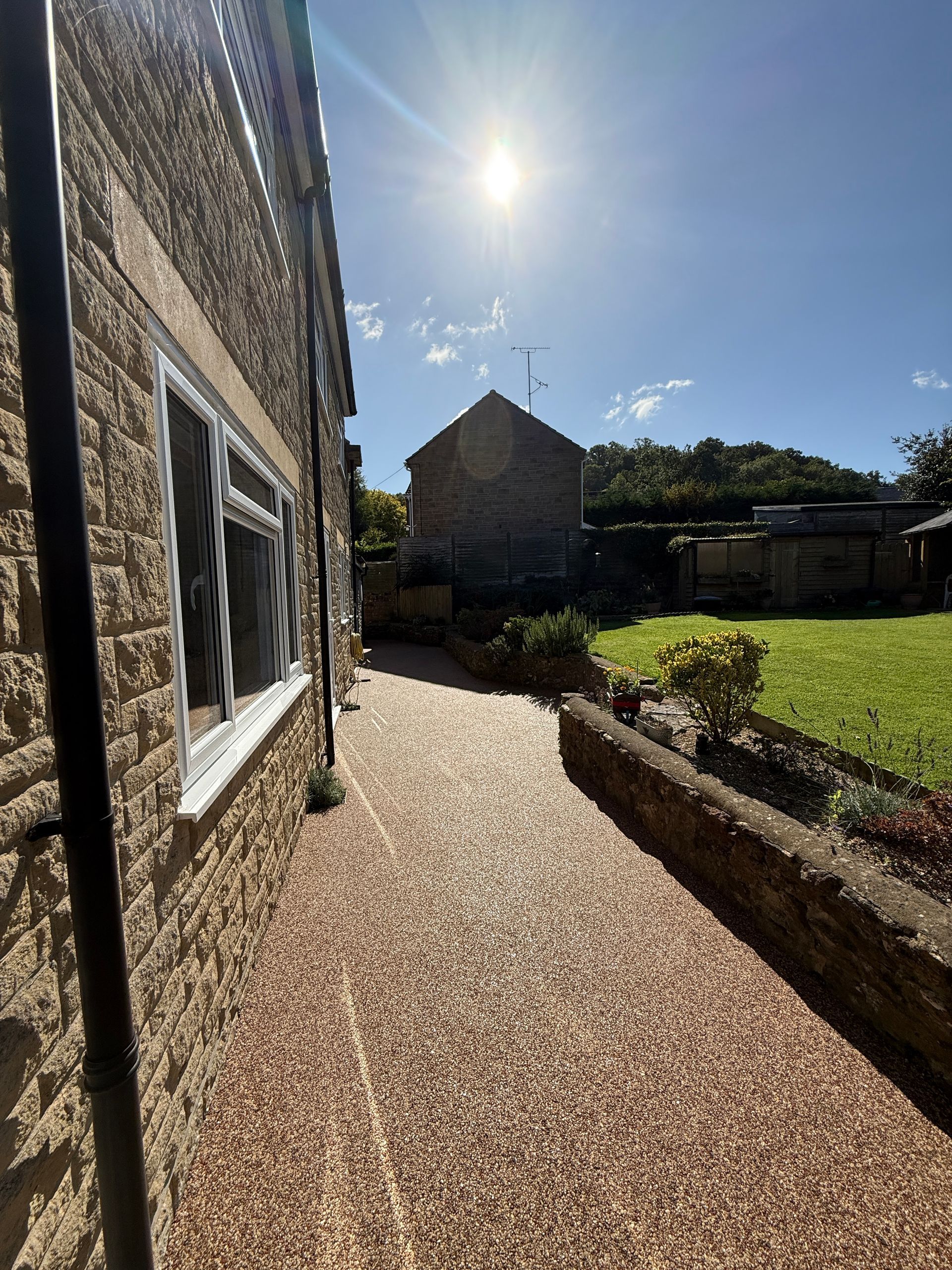
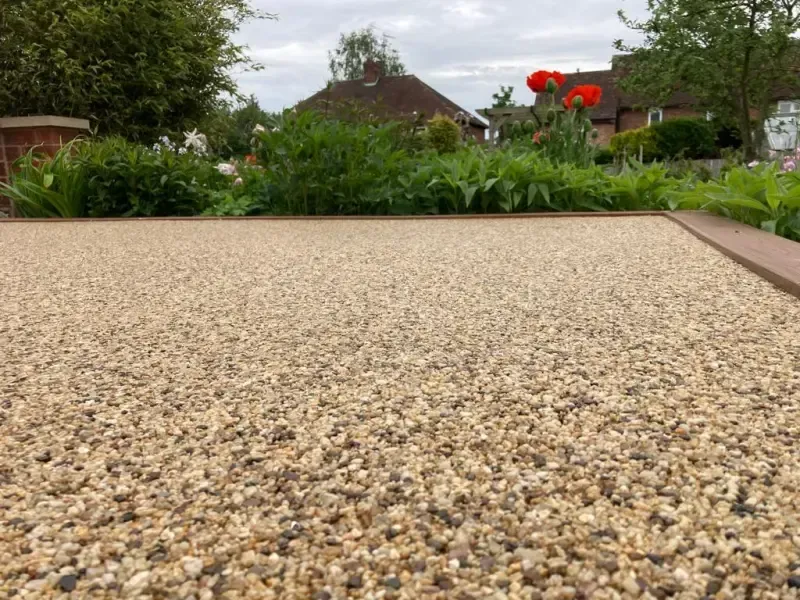
Visually, you can observe in the second image below how resin creates a flawless surface; furthermore, it is available in hundreds of colors reminiscent of natural stone. There is a color option to complement any type of property, so you can tailor your design to fit in with either old or contemporary architecture.
Concrete, as you can see in the first image below, also produces a lovely, uncluttered appearance. Less variety is available than with resin, but you can change the colors and "stamp" patterns.
In terms of aesthetics, who took home first place? In every case, resin. Adaptable to any kind of property, the possibilities are limitless.


Life Expectancy
Because of its extreme strength, concrete is able to support enormous weights. It is, however, the surface that is most "crackable" when weather conditions change. Additionally, when cracking occurs, the repairs are highly noticeable.
Resin, when laid correctly, has a long lifespan. Because of its high "flex", it is less likely to crack and can withstand ground movement better than other driveway materials. Use resin on any surface that will be subjected to vehicle traffic.
Abilities for Drainage
One of the best options for a driveway that allows water to drain away is resin bound surface. The water simply drains through without pausing. Full SUDS compliance, lessened flood risks, and the absence of puddling are all results of this. The resin's drainage capabilities also mean that no planning permission is needed to install it on a property.
When it comes to managing water, concrete is a complete disaster because it is completely impermeable. If the drainage channels and falls are not properly installed, water will pool on the driveway. If the drainage channels and falls are not properly installed, water will pool on the driveway.
Since it is specifically made for drainage, resin is clearly the superior choice.
Ratio of Resin to Concrete Cost
Depending on the size and specifications, concrete can be installed for 20-40% less than resin, which is where it really shines. The high cost of resin installation is directly correlated to the many "wins" it has in this manual. It can often balance out, though, with the added expense of concrete maintenance over time.
Maintenance Costs
With resin, you'll barely need to sweep occasionally and, at most, give it a jet wash once a year. It won't fade or weed, and you won't even need to seal it. The resin's porosity also aids in keeping the driveway clear of debris.
For the first few years after installation, concrete requires little in the way of upkeep. Some people find that it begins to fade and crack after that. As it wears down in the winter, it can also become dangerously slippery. That being said, concrete needs sealing to remain functional and attractive. This process typically needs to be done every two years and can cost anywhere from £500 to £2,000.
Installation Length?
Time required for installation is comparable. The steps are similar when discussing a complete excavation project: excavate the site to the necessary depth, remove all debris, construct the base and sub-base, and finally, pour the finished surface.
The typical installation time for resin or concrete, depending on the project, ranges from three to seven days for residential projects.
It will take several days for both materials to cure before vehicles can be used.
In my opinion, which surface is superior.
The guide claims that resin offers more advantages than concrete. But if money is tight, a 20-40% discount can make a huge difference. For that reason, money is the ultimate deciding factor. If you want a product that won't fade, crack, or peel over time, and doesn't require any upkeep whatsoever, resin is your best bet.
Still, there are a select few who adore concrete's aesthetic and are willing to shell out the cash for annual repairs. If that's the case, concrete is the way to go.
You might also like